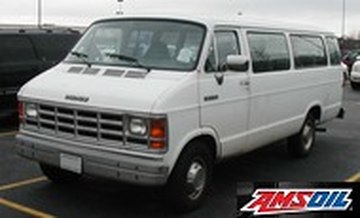
Engine Lubrication Maintenance for the 1981 Dodge Trucks B350 VAN 5.2L
Maintaining a large vehicle like the 1981 Dodge Trucks B350 VAN requires a disciplined approach to routine service. Because this van utilizes a 5.2L engine, ensuring that the lubrication system is functioning correctly and receiving fresh fluid is a fundamental aspect of long-term ownership. Proper oil management helps mitigate the effects of friction and heat, which are critical factors in any internal combustion engine's operation.
Monitoring Fluid Condition and Potential Leaks
One of the most effective ways to monitor the health of your 5.2L engine is through regular visual inspections. When performing routine maintenance, it is helpful to look for signs of fluid seepage or active leaks around the engine block and various sealing surfaces. Even small amounts of oil appearing on the underside of the vehicle or around gaskets can indicate that a seal is beginning to age or lose its effectiveness.
If you notice any unexpected fluid accumulation, it warrants further investigation. It is important to remember that a single symptom, such as an oil spot on the driveway, can be associated with several different components. Rather than assuming a specific part has failed, use these observations as a prompt to inspect the area more closely. Checking for signs of moisture or staining around the engine's exterior can help you identify issues before they escalate into more significant mechanical concerns.
Observing Changes in Engine Performance and Indicators
Beyond visual inspections of the engine exterior, paying attention to how the vehicle operates during daily use is vital. Any sudden changes in how the engine sounds or behaves should be noted. For example, unusual mechanical noises that occur during startup or while idling may indicate that lubrication is not reaching certain components as effectively as it should.
If your 1981 Dodge Trucks B350 VAN is equipped with oil-related warning indicators on the dashboard, these must be taken seriously. A warning light or a change in an indicator can be associated with various underlying conditions, ranging from low fluid levels to issues within the lubrication delivery system. If such a signal appears, it should be investigated immediately to prevent potential damage. Additionally, observing any changes in exhaust characteristics—such as unusual smoke—can sometimes serve as an early sign that the engine is consuming more lubricant than usual, which may indicate a need for closer inspection of internal components.
Prioritizing Maintenance Based on Current Condition
For owners of a vehicle from 1981, maintenance strategies often shift from strictly following a calendar to focusing on the actual condition of the mechanical components. Rather than replacing parts based solely on their age, it is more practical to use the current state of the engine and its accessories to set your service priorities.
If you are working with a vehicle that has an incomplete service history, establishing a maintenance baseline is a wise first step. This involves performing a thorough inspection of all fluids, belts (if equipped), and hoses to determine their current state. Once you have a clear understanding of what is currently functional and what shows signs of wear, you can prioritize your tasks. Addressing active leaks or addressing overdue fluid changes should take precedence over general preventive maintenance. Keeping a detailed log of every oil change, filter replacement, and observed leak will provide an invaluable resource for making informed decisions about future repairs.
Managing Aging Components and Materials
As vehicles age, the materials used in their construction—such as rubber hoses and various gaskets—can undergo changes due to heat cycles and time. When inspecting your 1981 Dodge Trucks B350 VAN, look for signs of deterioration in any visible hoses or electrical connections. If equipped, accessible drive belts should also be checked for evidence of cracking, glazing, or fraying.
It is helpful to distinguish between preventive maintenance and unnecessary parts replacement. For instance, a hose that appears slightly discolored but remains flexible may not require immediate replacement, whereas a hose showing visible cracks or signs of swelling warrants attention. By focusing on the actual condition of these aging materials, you can manage your maintenance budget more effectively while ensuring the vehicle remains reliable.
The Role of Lubrication in Engine Health
Engine oil performs several vital roles that are essential for the continued operation of the 5.2L engine. Primarily, it provides a layer of protection between moving parts to reduce friction. This reduction in friction is critical for managing the heat generated during engine operation. Without adequate lubrication, the thermal stresses on internal components can increase significantly.
Furthermore, the lubricant helps to carry away contaminants and debris that may accumulate within the engine environment. Maintaining clean oil through regular changes helps prevent the buildup of deposits that could otherwise interfere with the smooth operation of various mechanical systems. By ensuring the oil is fresh and meets the correct specifications, you are supporting the overall thermal stability and cleanliness of the engine.
Practical Advice for Buying Engine Oil for a 1981 Dodge Trucks B350 VAN 5.2L
When it is time to replenish your engine's lubricant, the most important step is to ensure that the product you select matches the specific requirements of your application. Because different engines have unique needs regarding fluid properties and protection levels, you should always refer to the vehicle-specific oil viscosity and application information already displayed on this webpage.
Before making a purchase, carefully check the product labeling to verify that the oil meets the appropriate API certifications for your needs. Depending on your specific maintenance goals and the current condition of your engine, you may encounter various options, including conventional oils, synthetic blends, or full synthetic formulations. Some high-mileage oil formulations also contain additives intended for use in aging engines, such as seal-conditioning agents. However, rather than choosing a type based on general assumptions about vehicle age, always prioritize the specific viscosity and service information provided in your application data to ensure the best possible match for your 5.2L engine.